Hot Topic
How To Choose The Most Suitable Home Decorating Style For Yourself As A First-Time House Buyer

Ready to turn your empty new house into a space that feels uniquely yours? In this guide, you’ll discover simple, actionable steps to pick a home decorating style that aligns with your lifestyle, preferences, and budget. You’ll walk away with a clear plan to create a space you love coming home to every day.
How will choosing the right decor style change your experience as a new homeowner? A thoughtful style choice makes your space functional for your daily routine and increases long-term satisfaction with your property. But it's important to understand the core benefits, clear steps, and common pitfalls before you start purchasing furniture or paint.
Why Choosing a Suitable Home Decorating Style Is Worth Your Time
- Lower unnecessary renovation costs: Picking a consistent style early helps you avoid impulse purchases of furniture or decor that don’t fit your space long-term. This saves you money that you can allocate to other homeowner expenses like maintenance or upgrades.
- Enhanced daily living comfort: A style that matches your routine, like easy-to-clean surfaces if you have pets, makes your daily life far more convenient. You won’t have to constantly adjust your space to work around poor design choices.
- Higher property value potential: Cohesive, well-executed decor can boost your home’s resale value if you choose to sell it in the future. Many buyers prefer move-in ready spaces that don’t require immediate design overhauls.
- Stronger personal connection to your home: A style that reflects your hobbies, travel history, or favorite aesthetics makes your house feel like a true reflection of your identity. You’ll feel more relaxed and proud to host friends and family in your space.
Step-by-Step Guide to Choosing the Most Suitable Home Decorating Style for Yourself
Step 1: Audit your daily routine and space needs
Start by listing all the activities you regularly do at home, from working remotely to hosting dinner parties or playing with kids. Note any specific needs, like extra storage for hobby supplies or durable fabrics for pets, that your decor must accommodate. Common mistake to avoid: Prioritizing aesthetic trends over practical needs that support your daily life.
Step 2: Collect visual inspiration to identify pattern preferences
Save photos of rooms you like from social media, home decor websites, or magazines over a 2 to 3 week period. Group these photos by shared features, like color palettes, furniture shapes, or material choices, to spot consistent preferences you may not have noticed. Pro tip: Don’t filter your choices early on—even seemingly random picks will show a clear pattern once you have enough examples.
Step 3: Assess your existing furniture and decor pieces
Take inventory of furniture, artwork, or sentimental items you already own and plan to bring to your new home. Note their style, colors, and size to see how they can fit into potential design themes, or if you need to replace a few key pieces. Common mistake to avoid: Trying to force a trendy style that clashes with high-value items you have no intention of replacing.
Step 4: Test small samples in your actual home space
Purchase paint swatches, fabric samples, or small decor accessories in your preferred style and place them in different rooms at different times of day. Natural and artificial light can change how colors and textures look, so testing in your actual space prevents costly mistakes. Pro tip: Leave samples up for at least 2 full days to see how they look in morning, afternoon, and evening light.
Step 5: Narrow down options and prioritize non-negotiable features
Compare your top 2 to 3 style options against your budget, practical needs, and existing items. List non-negotiable features for each space, like a comfortable sofa for your living room or ample counter storage for your kitchen, to eliminate styles that don’t meet these requirements. Common mistake to avoid: Overcomplicating your choice by considering more than 3 style options at once, which can lead to decision fatigue.
Step 6: Create a flexible implementation plan
Break your decor rollout into phases, starting with high-traffic rooms like the bedroom and kitchen before moving to guest spaces or decorative details. Set a realistic budget for each phase to avoid overspending early in the process. Pro tip: Leave 10 to 15 percent of your budget unallocated for unexpected finds or small adjustments as you start putting your space together.
Challenges to Be Aware Of
- Trend fatigue risk: Popular decor trends can feel outdated in as little as 3 to 5 years, leaving you dissatisfied with your space sooner than expected. To mitigate this, use trendy elements for small, easy-to-replace items like throw pillows or wall art, and stick to neutral, timeless bases for large furniture pieces.
- Budget overruns: It’s easy to overspend on high-end decor pieces when you’re excited to finish your new home. Create a detailed budget before you start shopping, and prioritize purchases based on how often you will use each item to avoid unnecessary costs.
- Decision paralysis: The huge number of decor styles and product options can make it hard to finalize any choices. Set clear deadlines for each decision phase, and remember that you can adjust small details over time as you get more comfortable in your space.
Conclusion
You now have the foundation to start choosing a home decorating style that works perfectly for your new house and lifestyle. You understand how to balance practical needs with aesthetic preferences to avoid common costly mistakes that many first-time homeowners make.
Choosing the right home decorating style offers the chance to create a space that supports your daily routine and feels uniquely personal, and by mastering this process, you're positioning yourself for years of comfortable, satisfying home ownership.
Don't wait for the perfect moment. Start collecting your style inspiration today. Every small choice you make brings you one step closer to a home that feels exactly right for you.
FAQ
How long does it take to choose a home decorating style for a new house?
Most first-time buyers take 2 to 4 weeks to narrow down their preferences and finalize a style, depending on how much time they spend researching. This timeline includes collecting inspiration, testing samples, and aligning choices with their budget. You can speed up the process by focusing only on your non-negotiable needs first. Start by sorting your existing inspiration photos this week to move the process forward.
Do I need to hire an interior designer to choose a suitable decor style?
Hiring a designer is not required, especially if you have a clear sense of your preferences and a limited budget. Free online tools, style quizzes, and in-person store sample programs can help you make informed choices on your own. If you have a complex space or a large budget, a designer can potentially save you time and avoid costly mistakes. Start with free online resources first to see if you can narrow down your options without professional help.
What's the best way to combine multiple decor styles I like?
Start by picking one core style to use for 70 percent of your space, like large furniture and wall colors, then use the other 30 percent for elements from your secondary preferred style. Stick to a consistent color palette across all items to keep the space feeling cohesive even with mixed style elements. Avoid adding more than 2 distinct styles to prevent the space from feeling cluttered or disjointed. Test small combinations of your preferred styles with accessories before committing to large purchases.
Can I adjust my decor style after I move into my new house?
You absolutely can adjust your style over time as your preferences or lifestyle change. Many homeowners update small decor elements every 2 to 3 years, or refresh larger pieces as their budget allows. It’s often easier to see what works for your space after you have lived in it for a few months. Don’t feel pressured to get every detail perfect before you move in; you can make small tweaks gradually as you settle in.


RECOMMEND ARTICLES

How To Properly Manage Weight: A Practical Guide For Everyday Users

How To Prepare Everything Before A Trip: A Complete Step-by-Step Guide For Travelers

How To Choose The Best Fitness Class For You

How To Prepare For A Perfect 7-Day European Trip: A Complete Step-by-Step Guide

How To Improve Sleep Quality: 5 Practical, Actionable Tips For Better Rest

How To Discover And Cultivate Your Most Suitable Clothing Style
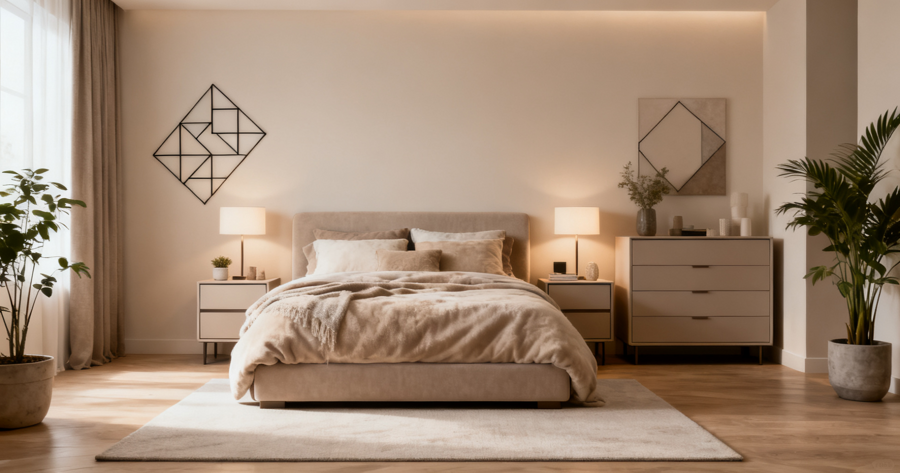
How To Create A Bedroom That Best Suits Your Style: A Practical Guide For House Decorators

How To Learn Tarot Card Reading And Divination From Scratch: A Complete Beginner’s Guide

How To Learn Programming From Scratch: A Practical Guide For Aspiring Programmers

How To Choose The Best Cat Food For Your Cat: A Complete Guide For Pet Keepers
Most Read

The Best Tips To Become A Gorilla Tag Pro

How To Revive A Dying Houseplant: 5 Essential Steps For Beginners

How To Get Free, Must-Have Mods For Geometry Dash

How To Play Poppy Playtime On Your Phone: A Complete Step-by-Step Guide

How To Navigate Fortnite Map Updates & Uncover Hidden Mechanics